
E-BOOK
INVESTOR RELATIONS IN TURBULENT TIMES
Market shocks change shareholder registers fast. When trading volumes spike, institutional investors rotate in and out of positions within weeks, and an issuer's shareholding structure can look very different from one quarter to the next. For investor relations teams that means less predictability, more questions from the board and a shorter window in which to react.
This e-book, written during the COVID-19 market shock, shows how IR professionals can keep the trust of their existing investor base while identifying new investors when markets are volatile. Its lessons apply to every period of turbulence, whatever the trigger.
Fill in the form and we will email you the e-book.
Download your report
Insights you will gain from this e-book:
-
Why digital IR work is the "new normal"
How virtual meetings, webcasts and digital reporting changed the daily contact between issuers and investors, and which of those habits are worth keeping. -
How investor relations are changing in turbulent times
What volatility does to the IR calendar, to the questions investors ask and to the way the board expects the IR team to report back. -
Why issuers must expect a fluctuation in shareholders
Why high trading volumes lead to faster turnover in the register, and how to read the early signs of a changing ownership base. -
How to anticipate investors needs
Which information investors look for in uncertain markets, and how to prepare the answers before the questions arrive. -
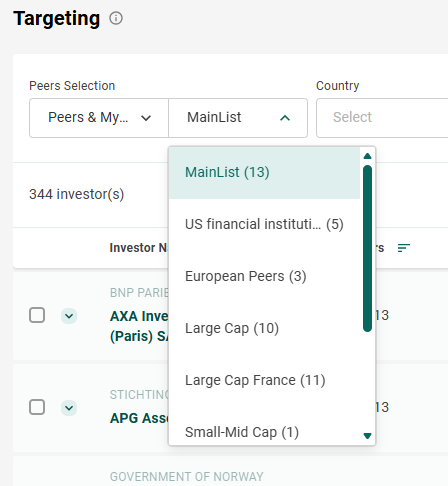
What to focus on when targeting new investors
How to prioritise the funds most likely to invest, based on their style, mandate and current positions, rather than contacting everyone.
Who this e-book is for
The e-book is written for IR managers, heads of investor relations, CFOs and communication teams at listed companies, and for the advisers who support them. You do not need a large IR department to apply it: the recommendations work for a one-person function as well as for a full team.
What you will learn
It explains why digital investor relations became the normal way of working and what that changed in the day-to-day contact with analysts and fund managers. It describes how shareholder structures move during volatile periods, why issuers should expect turnover in their register and how to read those movements early. It then sets out practical ways to anticipate what investors want to hear, and where to focus your effort when you target new investors instead of spreading it across every fund.
How to use it
Read it before you plan the next roadshow or results season, share the chapter on shareholder fluctuation with your board, and use the targeting section as a checklist when you build your next investor list. Combined with an up-to-date shareholder analysis and an IR CRM such as IR.Manager, it gives you a repeatable process rather than a reaction to each market move.